
Review · OSLO
Oslo Nature Walks: Island Hopping Tour
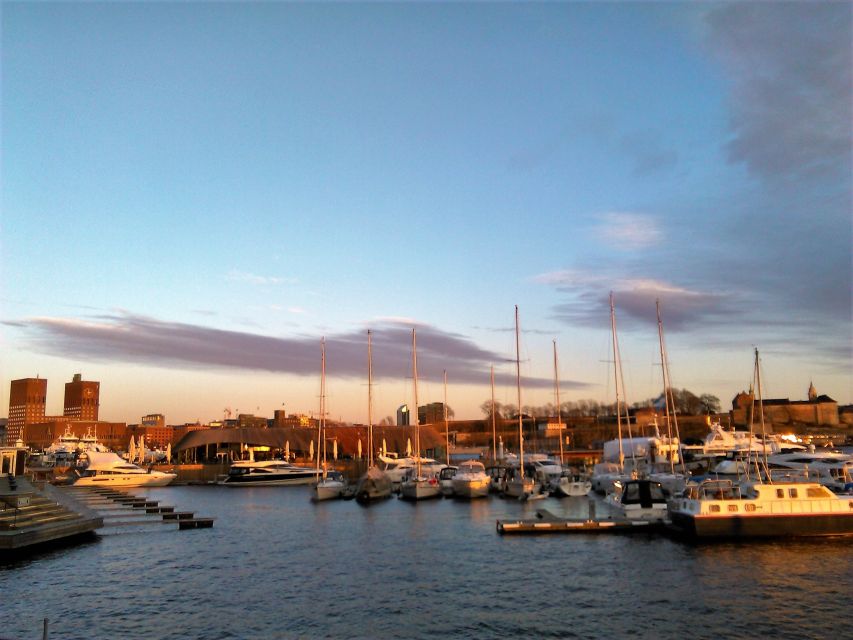
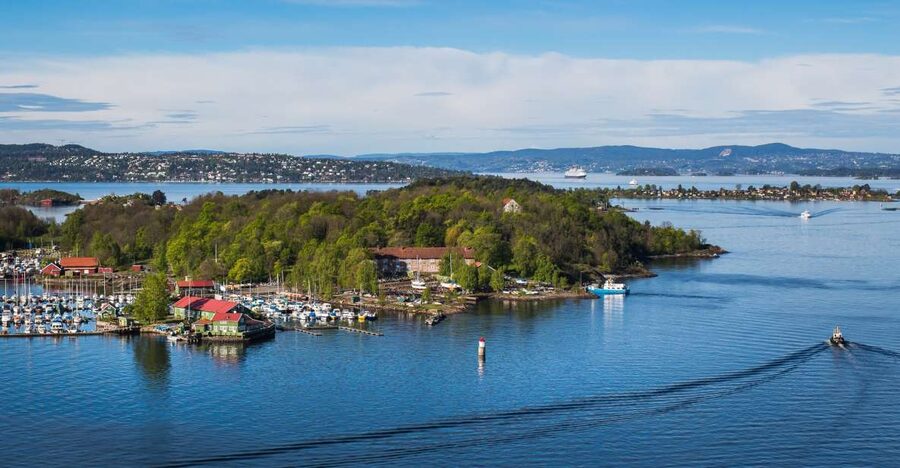
Oslo’s best escape from the city may be a public ferry ride away. This island-hopping walk takes you across the Oslo Fjord to Hovedøya’s medieval abbey ruins, old military defenses, quiet beaches, and small islands lined with wooden holiday cabins.
I like two things right away: you see Oslo from the water without paying for a private cruise, and the guide adds the history and local details you would likely miss on your own. Guides such as Shaf, Giovanni, Patrick, and Carolina have made the walk lively with stories, practical Oslo tips, and, in one case, Norwegian folk songs.
The main drawback is the walking. You cover about 7 kilometers, often on gravel, dirt, rocks, and uneven paths. The route is not suitable for wheelchair users or children under nine, and cold, wet, or icy weather can make good shoes and warm layers essential.
Key points at a glance
- Hovedøya’s abbey ruins: Walk through the remains of a nearly 1,000-year-old monastery tied to Norway’s move from the Viking era into Christian Europe.
- Three islands in summer: From April through August, the longer route visits Hovedøya, Gressholmen, and a cabin island such as Lindøya.
- Two islands in winter: From September through March, the tour lasts about 3.5 hours and includes two islands, with warm drinks supplied from October through March.
- A real walking tour: Expect roughly 10,000 steps over natural paths, beaches, forest tracks, and rocky ground.
- Public ferry value: Your ferry tickets are included, giving you scenic transport and a useful look at Oslo’s everyday waterfront system.
- Picnic with a view: Bring lunch from April through September. In colder months, the guide provides warm drinks, and some tours have included cookies or gingerbread.
Why these Oslo islands are worth your time
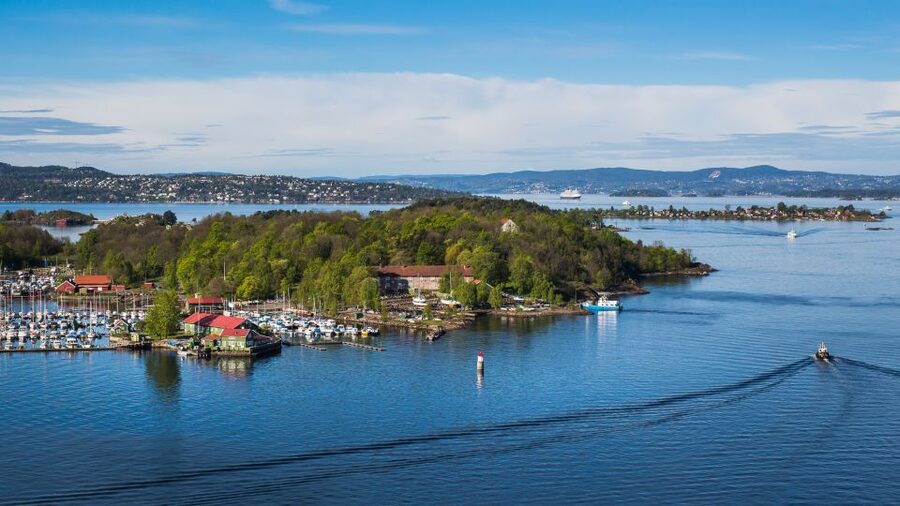
Many first-time visitors stay close to Oslo’s museums, harbor, and central streets. Those places are worthwhile, but the islands show another side of the city. Within minutes of leaving Rådhusbrygge 4, you trade traffic and buildings for open water, low wooded shores, simple cabins, and broad views across the fjord.
This is not a sightseeing cruise where you remain seated and collect photographs from the railing. You get off the boat, walk into the setting, and hear how the islands connect to Oslo’s religious, military, aviation, and holiday traditions.
I especially like the mix of subjects. A single outing can move from medieval stone walls to Napoleonic-era defenses, then to an abandoned airport site and brightly painted summer homes. That variety keeps the four hours from feeling like one long nature walk.
The pace is designed for sightseeing rather than a hard hike. Guides have been praised for stopping often, keeping the group together, and adjusting to different abilities within the walking limits. Still, you should be comfortable on uneven ground before booking.
More island days out of the world:
- Santorini: Volcanic Islands Cruise with Hot Springs Visit
★ 4.4 · 10,869 reviews - Stockholm: City Archipelago Sightseeing Cruise with Guide
★ 4.3 · 10,798 reviews - Full-Day Dubrovnik Elaphite Islands Cruise with Lunch and Drinks
★ 5.0 · 8,823 reviews
Starting at Rådhusbrygge 4 and crossing the fjord
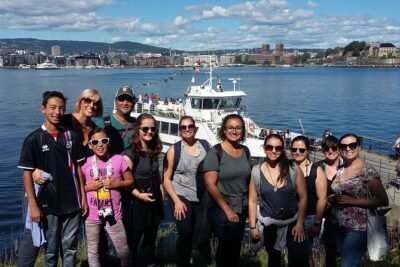
The meeting point is near the public ferry departure area at Platform E, next to the Fisketorget restaurant. Arrive about 10 minutes early. The opening ferry ride takes roughly 10 minutes, which gives you a quick change of scene before the walking begins.
Your ferry ticket is included in the tour price. That matters because the boat is not simply a transfer between stops. It gives you changing views of the fjord and a practical feel for how Oslo’s waterfront connects to its islands.
The return crossing at the end also has its own reward. You come back toward the city with views of Akershus Fortress, Oslo City Hall, and the redeveloped Aker Brygge waterfront. If you are taking photographs, keep your camera ready during the final approach.
The boat is public transport, so the experience is less controlled than a private boat trip. Ferry timing shapes the day, and waiting or route changes can affect how long you spend on an island. That is part of the charm, but you should not expect a perfectly choreographed cruise.
Hovedøya: abbey stones, beaches, and old cannons
Hovedøya, meaning Main Island, is usually the historical heart of the outing. You walk among the remains of an abbey founded nearly 1,000 years ago by English monks who came to Christianize the Oslo area.
The ruins include the outlines of rooms and chambers, allowing you to picture the abbey as more than a pile of old stones. The guide places the site in Norway’s wider shift from a Norse, Viking-era society toward Christian Europe. That context is one of the strongest reasons to take the guided version instead of simply riding the ferry and walking alone.
From the abbey, the route continues through birch woodland and sheep pasture. The change is gradual and pleasant. One minute you are looking at medieval masonry, and soon you are on a natural path with water glimpses through the trees.
You also reach old ramparts and cannons linked to the 19th-century Napoleonic Wars. These defenses add another layer to the island’s story. Hovedøya was not only a religious center or a picnic destination. Its position in the fjord gave it military value as well.
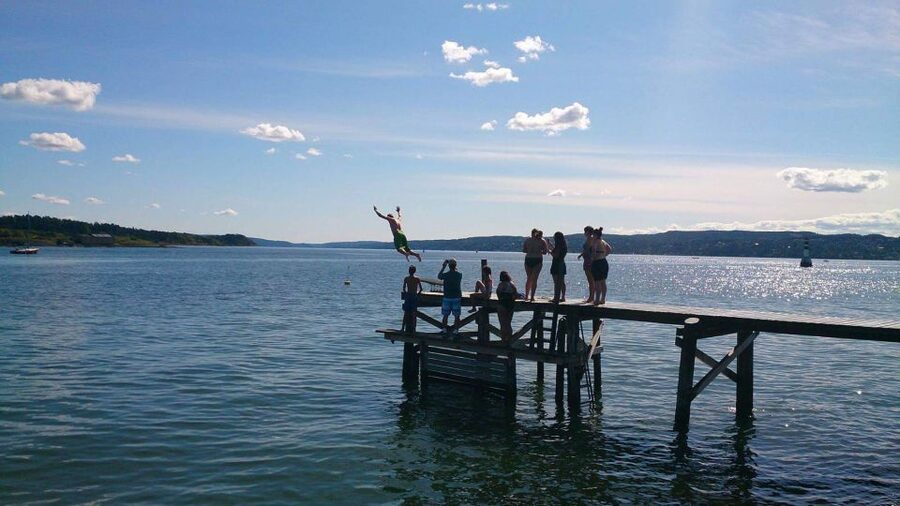
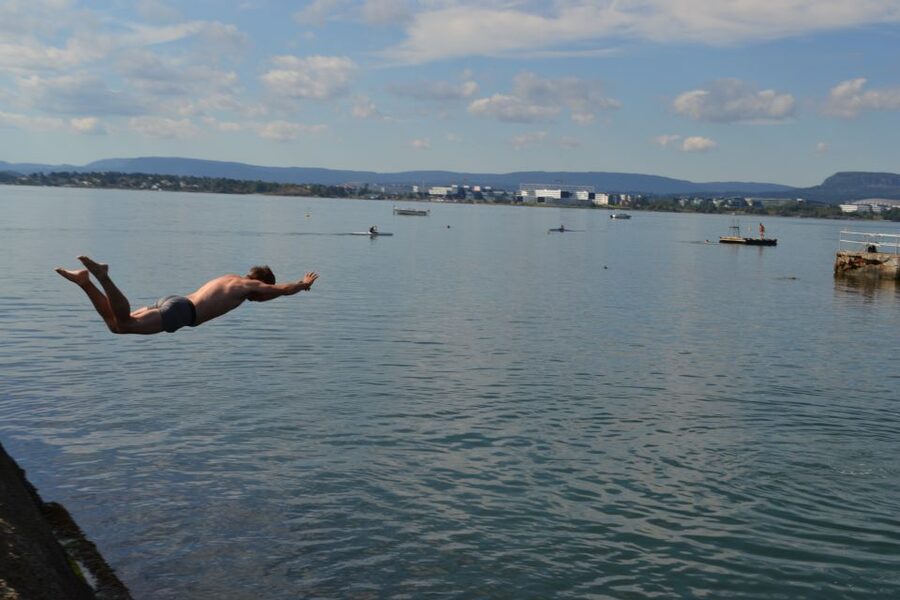
The coastal part of the walk includes rocky stretches, beaches, and lookout points. In warm weather, you might want swimwear and a towel in your backpack. The tour is not built around a long swimming stop, but the shoreline makes a tempting place for a quick break if conditions allow.
The limitation here is time. With ferry schedules and several stops, you get an overview rather than a slow archaeological visit. If you want to study every wall or sit for an hour beside the water, an independent return trip may suit you better.
Gressholmen: nature, military traces, and Oslo’s first airport
The next ferry ride takes about 10 minutes to Gressholmen. This island has a different feel from Hovedøya. Its nature reserve, shoreline, and quieter paths provide a welcome pause after the abbey and fortifications.
Gressholmen also carries aviation history. You visit remnants of what was Oslo’s first airport, along with buildings and sites connected to the island’s military past. The appeal is not one grand monument. Instead, you piece together the island’s former roles as you walk.
That mixture of nature and leftover infrastructure is one of the tour’s more interesting features. The island is not presented as a polished museum. You encounter traces in their setting, among paths and trees, which makes the history easier to imagine.
Your guide is important here. Without explanation, some buildings or remains may look ordinary. Guides such as Giovanni and Shaf have been praised for linking the sites to Norwegian history and culture, while other guides have added local stories and suggestions for the rest of your Oslo stay.
You should expect about an hour on this stop, including walking and sightseeing. It is enough time to see the main points, but not enough for a detailed exploration of every corner. The short visit keeps the route moving toward the cabin islands.
Same coast, another string of islands:
- Blue cave, Mamma Mia and Hvar, 5 islands speedboat tour
★ 5.0 · 7,150 reviews - Split/Trogir: Blue Cave, Mamma Mia, Hvar and 5 Island Tour
★ 4.6 · 6,320 reviews - Dubrovnik: Elaphiti Islands Full-Day Cruise with Lunch
★ 5.0 · 5,938 reviews - Blue Lagoon & 3 Islands Cruise with Lunch from Split
★ 4.5 · 5,756 reviews
Lindøya and the small-island cabin way of life

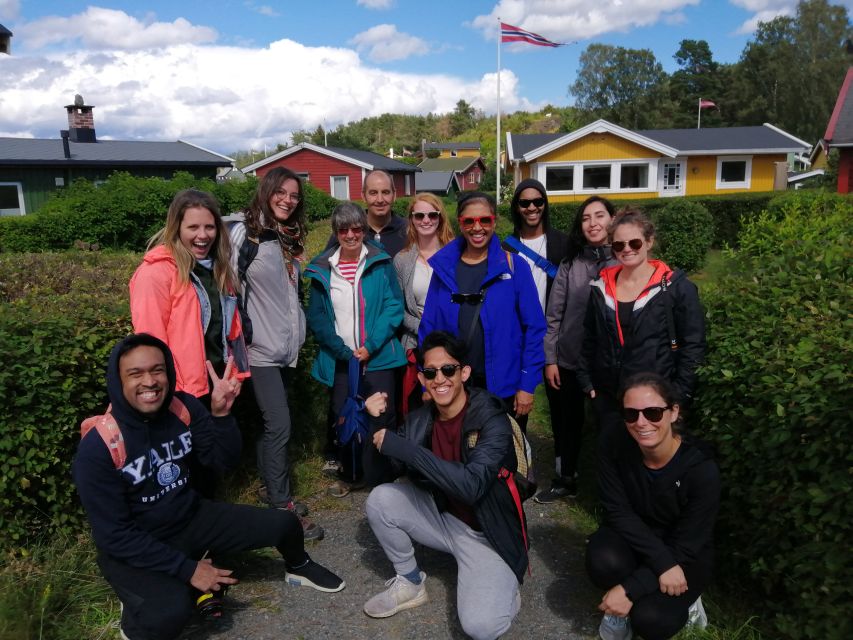
The final island in the warmer-season route is a cabin island, identified in the schedule as Lindøya. Here the mood changes again. Traditional wooden homes, gardens filled with flowers, narrow village paths, and lookout points create the feeling of a summer retreat rather than a city suburb.
This is one of the most distinctive parts of the tour. The cabins are not grand holiday estates. Their simple scale and personal gardens show a more modest, outdoor-focused side of Norwegian life. You see how close a recreational island can be to Oslo while still feeling removed from the center.
The guide leads you along paths between homes and toward views of the fjord. Please remember that this is a lived-in setting, not a theme park. Stay on the paths, respect private property, and follow the guide’s advice about where to stop for photographs.
The cabin island is also where the picnic break makes the most sense. Bring your own lunch between April and September, along with water and perhaps swimwear and a towel. Depending on weather and opening hours, a local kiosk may offer snacks or ice cream, but you should not count on it as your only food source.
In colder months, warm drinks are included. Several tours have offered coffee, tea, or hot chocolate with cookies or gingerbread. That small touch matters after a walk in cold air, though you should still bring enough food if you need a full meal.
Ferry time is part of the attraction
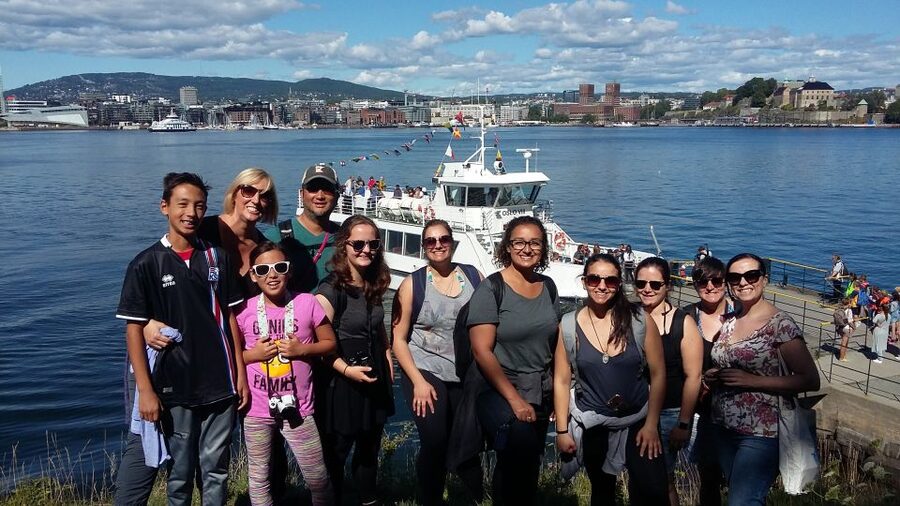
The crossings are short, generally 10 to 15 minutes, but they help break the walking into manageable sections. You can rest your feet, watch the shoreline slide past, and see the relationship between the islands and central Oslo.
The overall timing is seasonal:
- From April through August, plan on roughly four to 4.5 hours and three islands.
- From September through March, plan on about 3.5 hours and two islands.
- From October through March, warm drinks are provided.
- From April through September, you are encouraged to bring your own lunch for the picnic stop.
The exact two-island winter route can differ from the full summer route. The supplied schedule names Hovedøya, Gressholmen, and Lindøya for the longer itinerary, while cold-season outings visit two islands. Do not book in winter expecting the full three-island experience.
This seasonal difference is important when comparing the $69 price. In summer, you receive a longer outing with three walking stops, several ferry crossings, and a picnic break. In winter, the shorter route still offers a good mix of ferry travel and nature, but less island time.
The walking conditions and what to pack
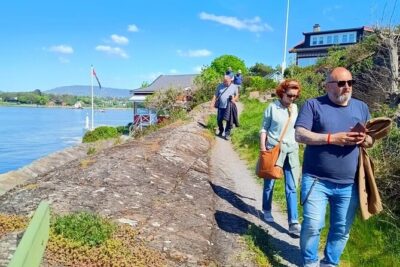
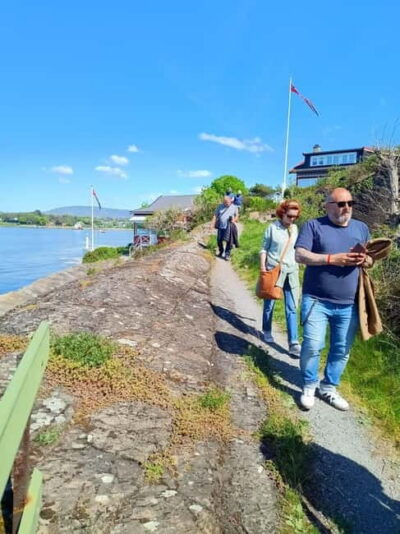
The distance is about 7 kilometers, or roughly 10,000 steps. The ground includes gravel, dirt paths, stones, and uneven coastal sections. Comfortable shoes are listed as essential, but I would make that more specific: choose sturdy trail shoes with a good grip.
Rain gear is not included. Oslo weather can change, and a waterproof jacket is more useful than an umbrella on exposed paths and ferry decks. In winter, dress for standing outside as well as walking. Several cold-weather outings have been described as very cold, and icy conditions have required crampons supplied by a guide on at least one occasion.
Pack a small backpack with:
- Water
- Lunch from April through September
- Swimwear and a towel if you might use the beaches
- A waterproof layer
- Warm layers outside the summer season
- A phone or camera
- Comfortable trail shoes
The tour is not suitable for wheelchair users because of the natural paths and uneven surfaces. It is also not intended for children under nine. If you have a knee problem or another walking concern, contact the operator before booking. Guides have shown care with participants who need a gentler pace, but the terrain remains part of the experience.
Guides make the difference
The public ferry system makes it possible to visit these islands without a tour. The added value comes from what you learn while walking. A guide points out the meaning of the abbey ruins, explains the military remains, identifies the old airport sites, and connects cabin life with Norwegian outdoor culture.
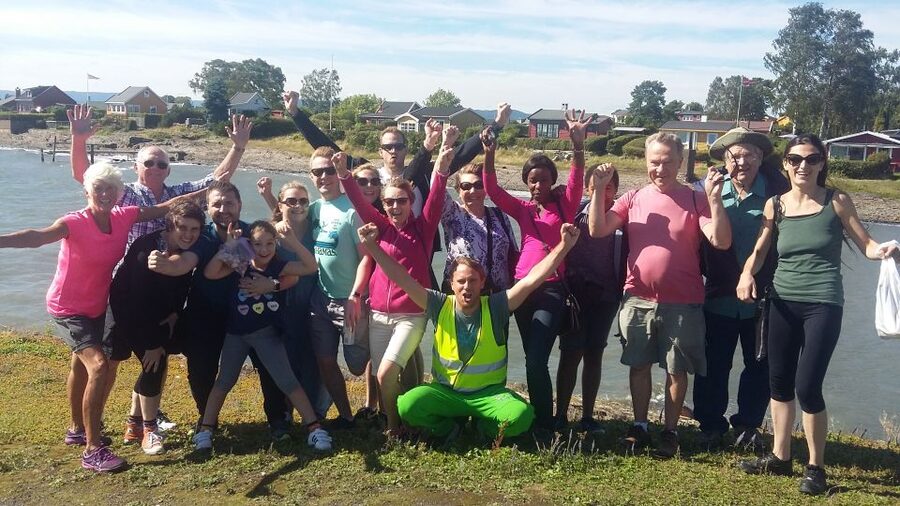
Guide names vary by departure. Shaf has been praised for history, local recommendations, and keeping the group upbeat. Giovanni has offered detailed background on Norway and the islands, while Patrick has mixed local insight with humor. Other guides, including Carolina, Neil, Jon, Laura, and Lola, have been described as friendly, attentive, and generous with practical tips.
The tone is informal. You have opportunities to ask questions, and the guide usually keeps an eye on the group so no one falls behind. One winter guide even sang Norwegian folk songs, which is the sort of personal touch you cannot get from a ferry map.
The quality of a walking tour can depend on the individual guide, but the consistently strong rating of 4.8 from 2,713 ratings suggests that the format works well. I would still treat the guide as a bonus rather than the sole reason to book. The islands, ferry ride, and walking route carry the experience even if your guide’s style is quieter.
Is $69 a fair price?
At $69 per person, this is not the cheapest way to see the Oslo Fjord. You could use public ferries independently and walk on the islands without paying for a guide.
The value comes from combining several things in one organized outing: ferry tickets, a full English-language walk, historical interpretation, route planning, and company on paths that might otherwise be confusing. You also avoid spending your Oslo visit working out which ferry to take, where to walk, and what you are looking at.
For the longer April through August route, the price feels reasonable if you want history and scenery rather than transport alone. The winter value is more personal. You receive a shorter tour, but warm drinks and a guide can make a cold day much easier and more informative.
Independent visitors who enjoy researching routes and traveling at their own pace may prefer to buy ferry tickets themselves. For a first Oslo visit, or for anyone who wants an easy introduction to the fjord islands, the fee is justified.
Who should book this island walk?
I would choose this tour if you want a break from museums and city streets, enjoy moderate walking, and like hearing the story behind places you visit. It suits couples, solo visitors, and families with older children who can manage the distance and uneven surfaces.
It is especially good early in an Oslo stay. Guides often share restaurant ideas, city walks, and other local suggestions, so you can use those tips during the rest of your visit.
You may want another experience if you dislike changing ferries, walking in poor weather, or carrying your own lunch. It is also not the right pick for a relaxed boat ride with minimal activity. The route is scenic, but it asks you to walk for most of the time between ferry crossings.
FAQ
How long does the Oslo island-hopping tour last?
From April through August, it lasts about four to 4.5 hours. From September through March, it lasts about 3.5 hours.
How many islands does the tour visit?
The warmer-season tour visits three islands. The September through March version visits two islands.
Which islands are included?
The longer route includes Hovedøya, Gressholmen, and a cabin island identified in the schedule as Lindøya. The winter route visits two islands.
How much walking is involved?
You walk approximately 7 kilometers, or about 10,000 steps, on gravel, dirt paths, stones, and other uneven surfaces.
Is lunch included?
No. From April through September, you are encouraged to bring your own lunch for the picnic stop. A kiosk may be open for snacks or ice cream, depending on weather and opening hours.
Are drinks included?
Warm drinks are included from October through March. These can include coffee, tea, or hot chocolate. Food and drinks are not included during the warmer months.
What language is the tour conducted in?
The live guided tour is conducted in English.
Where does the tour meet?
Meet at Rådhusbrygge 4, near the public ferry departure area at Platform E, next to the Fisketorget restaurant. Arrive 10 minutes before departure.
Should you book it?
Book this tour if you want Oslo’s fjord to be an active part of your visit, not just a view from the harbor. The combination of abbey ruins, beaches, forests, old defenses, ferry rides, and cabin paths gives you a broad look at the city’s history and outdoor life in one half-day.
Skip it if you need step-free access, dislike uneven trails, or want complete control over your pace. For everyone else, $69 buys a well-planned introduction to Oslo’s islands, with enough history to make the scenery mean something and enough walking to make the ferry ride feel earned.
Fresh island hops added around the world
- Full Day Phi Phi Islands Tour By Royal Jet Cruiser From Phuket★ 4.0 · 4 reviews
- James Bond Island Canoeing 7 Point 5 Island By Speedboat From Phuket★ 4.5 · 36 reviews
- 4 Hours Jet Ski Experience Hopping To 9 Islands in Phuket★ 3.5 · 19 reviews
- Phi Phi Islands Day Tour Bamboo and Maya Bay with Lunch By Speedboat★ 4.5 · 3 reviews
- 12 Islands Overnight Tour★ 4.0 · 47 reviews
- Hon Thơm Cable car & 3-island hopping trip by boat★ 3.5 · 2 reviews
- Three Islands Canoe Tour in Phu Quoc★ 4.5 · 5 reviews
- 3-Island Speedboat Tour: Racha Noi, Racha Yai & Maiton★ 5.0 · 3 reviews
More Oslo Island Hopping to compare
Oslo: Hovedøya and Nakholmen Island Hopping Tour
Read our review →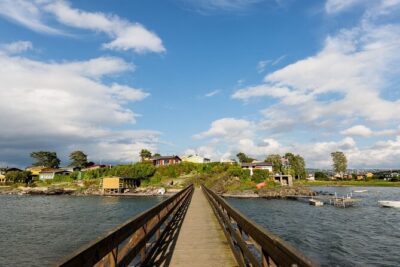
Browse the lists this tour appears in